What Is the Arizona Contractor License Bond?
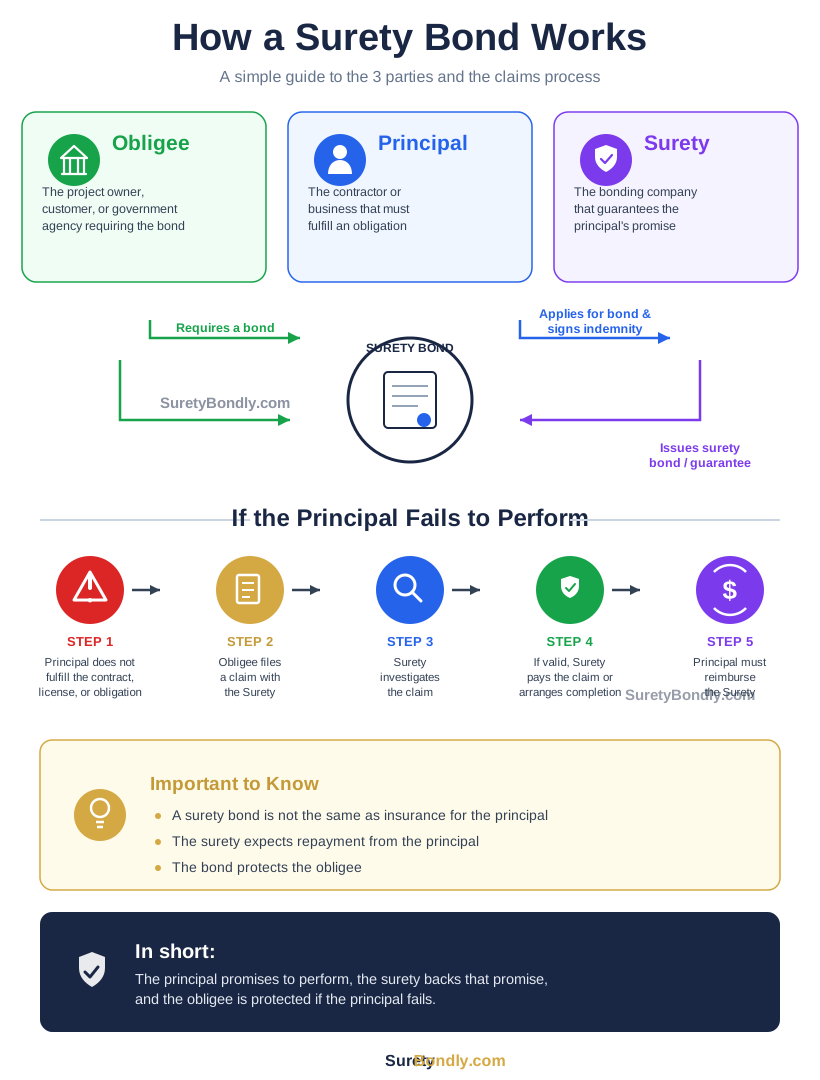
The Arizona contractor bond stands behind your contracting work. If you leave a job undone, they can file a claim. The surety covers it, and you repay the surety.
Your bond depends on your license class. It runs from $5,000 to $28,000.
Who Needs This Bond in Arizona?
- Licensed contractors in Arizona must post the bond.
- It applies to new and renewing licenses.
How Much Will the Bond Cost?
Premiums are credit-based. Small-class bonds typically cost $100–$200 annually:
| Credit Profile | Annual Premium | Approx. Rate |
|---|---|---|
| $5,000 bond, good credit | $100 – $150 | 2% – 3% |
| $9,000 bond, good credit | $150 – $250 | 2% – 3% |
| $15,000 bond, good credit | $250 – $450 | 1.5% – 3% |
| $25,000 bond, good credit | $300 – $750 | 1.2% – 3% |
| $28,000 bond, good credit | $350 – $850 | 1.25% – 3% |
| Any tier, challenged credit | Up to 5% of bond | 3% – 5%+ |
How to Get Bonded — Step by Step
- Apply to be licensed.
- Get your bond here — fast quotes.
- File the bond with the Arizona ROC.
- Get licensed and take on jobs.
Renewal & Continuous Bond Coverage
Arizona contractor licenses run two years. Keep your bond active the whole time. Renew early so you do not lose your license.
Frequently Asked Questions
How is the Arizona bond amount set?
By your license class. It runs from $5,000 to $28,000.
Does the Arizona bond protect me?
No. The bond protects your customers and the state, not you. If a claim is paid, you repay the surety. The bond is not your own insurance.
How fast can I get bonded in Arizona?
We shop several sureties for you, often within a day. Many bonds are issued the same day for good credit.
How much does the bond cost?
You pay a yearly premium — a small percent of the bond amount. Your rate depends mostly on your credit.
How a Surety Bond Works
A contractor bond is a type of surety bond. The picture below shows the three parties and what happens if someone files a claim.
Ready to get your Arizona Contractor License Bond?
Apply in 2 minutes. Most quotes returned same day.
Start Your ApplicationRelated: All Arizona surety bonds · What is a surety bond? · How surety bond costs are calculated